Sports coaching is structured guidance that helps a person learn and practice a sport. A coach observes how you play, teaches skills, plans sessions and gives feedback so you can work toward a goal. That goal might be learning the basics of badminton, playing football with more confidence or preparing for a team trial.
Coaching can be individual, group-based or part of a team programme. Birmingham City University's overview of a sports coach's responsibilities also describes how coaches assess performance and adapt training to participants.
A coach cannot promise faster progress or a place on a team. The more useful question is whether the coach's experience, teaching approach and training setting fit your sport, age, level and goals.
What does a Sports Coach Do?
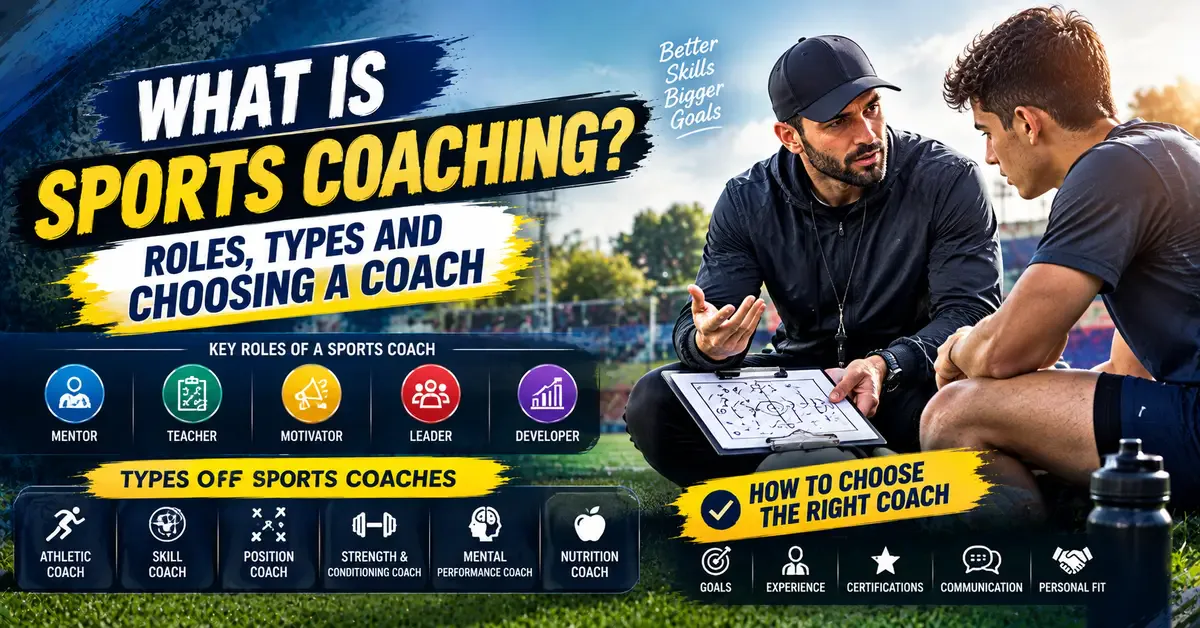
The work changes with the sport and the participants, but a coach may:
-
Understand your Starting Point: A beginner may need grip, footwork and basic rules; an experienced player may need feedback on decision-making under pressure.
-
Plan and Teach Sessions: Practice should have a purpose, whether that is a badminton movement pattern, a football passing drill or a team exercise.
-
Observe and Give Feedback: A useful correction tells you what to change and lets you try again. It is not just “work harder.”
-
Adjust the Plan: A coach should notice when a drill is too easy, too difficult or unsuitable for a participant's age or ability.
-
Create a Respectful Environment: Particularly with children, good instruction includes appropriate boundaries, a way to raise concerns and attention to wellbeing.
Imagine a child attending a first badminton session. A coach might begin by checking what the child already knows, demonstrate a grip, run a short movement drill and end with a simple game. The next session should build on what the child found difficult. That is more useful than a long session of unsupervised play labelled as “coaching.”
Coaches can support confidence and help players manage ordinary competition pressure. They are not automatically qualified to diagnose injuries or provide clinical mental-health treatment; ask about the appropriate specialist if those needs arise.
What are the Types of Sports Coaching?
There are two ways to compare coaching: how sessions are delivered and what the coach specialises in. A football skills coach, for example, might teach one player privately or work with a whole group. Those are different dimensions, not competing categories.
1. By Session Format
One-to-one coaching gives one participant most of the session's attention. It can suit a specific skill goal or someone who wants tailored feedback. Ask what happens between sessions and how progress is reviewed; individual lessons are not automatically better for every beginner.
Small-group or academy coaching combines instruction with practice alongside others. It can help participants learn through drills and game situations, but the amount of individual feedback depends on group size and how the session is run.
If you are choosing between provider types, read our academy, club and coaching-centre comparison. Team coaching works on both individual roles and how players function together. A football team might practise positioning, communication and decision-making during play rather than only isolated technique.
Remote coaching may use video review or online planning. It can help when a specialist is not available nearby, but ask how the coach will observe technique accurately and whether in-person supervision is needed for the activity.
2. By Coaching Focus
A sport-specific coach teaches the techniques and decisions of a particular sport. A strength and conditioning coach focuses on physical preparation. Some programmes also offer performance-psychology support.
These roles may complement one another, but their qualifications and scope are not interchangeable. Check who delivers each service rather than assuming that one coach covers every area.
How do you Choose a Sports Coach in India?
Start with the participant's goal. “I want my child to learn badminton safely” calls for a different programme from “I already compete and need help with match decisions.” Then use the same questions with each coach you consider.
-
What have you Coached? Ask about experience with your sport and with people at the same age and ability level. Request specific examples of how a beginner or a more advanced player is taught.
-
What Training have you Completed? Ask for the name of a course, issuing body and year, then check the details with the issuer when relevant. The National Institute of Sports' coaching diploma is one example of an Indian training route; it does not mean that every coach holds that diploma or that one credential suits every sport.
-
How will Sessions Work? Confirm the group size, length, venue, equipment, supervision and how you will receive feedback. Ask what the first few sessions will cover.
-
How is Safety Handled? For a child, ask who supervises sessions, whether parents can observe, how coaches communicate with participants, what boundaries apply and whom to contact about a concern.
The Sports Authority of India's guidance for children in its training centres provides a useful example of why screening, parent feedback and appropriate boundaries matter; it is not a blanket certification of other providers.
-
What will it Cost in Full? Confirm the fee, trial-session availability, equipment, travel, cancellation terms and refund rules directly with the provider. Do not assume every coach offers a trial.
-
How will you Decide if it is a Fit? If an introductory session is offered, notice whether the coach explains tasks clearly, adjusts them to the participant and responds respectfully to questions or mistakes. For children, ask how the child felt afterward.
Warning signs: vague claims about qualifications, pressure to pay before explaining terms, promises of selection, dismissive treatment of injuries, or no clear way for a parent to raise a safety concern. A polished social-media profile does not answer these questions.
Where can you Find a Sports Coach near you?
Search using your sport and city or locality, then check each result against the questions above. A search for a badminton coach in Bengaluru is more useful than the broad phrase “sports coaching near me.” You can also ask a local club, academy or venue who runs its sessions and whether those coaches work with your age or ability group.
Explore sports coaches in India on ListingSports to start comparing the available directory information. A listing is a starting point, not proof of a coach's qualifications or an endorsement.
Check that the profile actually describes the service you want, then confirm current availability, credentials, safeguarding arrangements, fees and location directly with the provider.
If an individual coach is not listed in your area, an academy programme may be another route to structured instruction.
Frequently Asked Questions
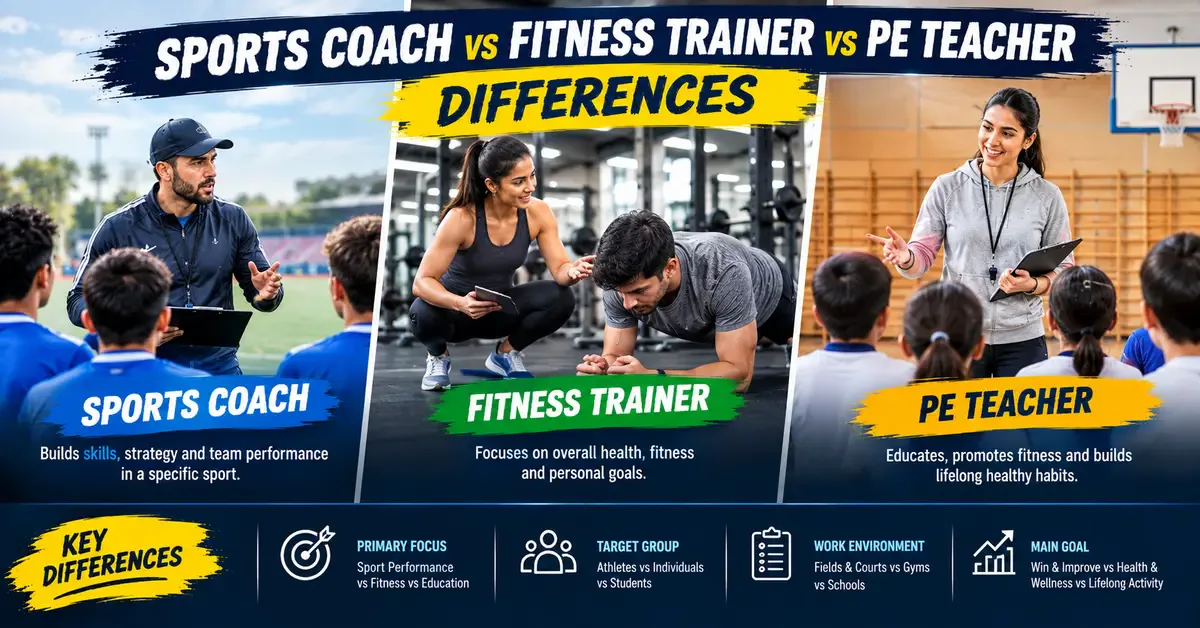
Is a sports coach the same as a fitness trainer?
Not necessarily. A sport-specific coach usually teaches skills and decisions within a sport. A fitness or conditioning specialist usually focuses on physical preparation. Some professionals are trained in both, so ask what they actually teach and what credentials support each service.
Do beginners need private coaching?
A well-run beginner group can be a suitable starting point. Private sessions may help when you want closer feedback on a particular skill. The best fit depends on instruction quality, group size, cost and how the learner responds.
How often should someone train with a coach?
There is no universal schedule. It depends on the sport, age, goals, other activity and the participant's capacity to recover. Ask the coach how sessions and independent practice would fit together instead of relying on a fixed number of weekly lessons.
Can a coach help someone prepare for a sports trial?
A coach may help a player practise the relevant skills and understand the trial format, but cannot guarantee selection. Read our guide to sports trials in India and check the organiser's current eligibility and instructions.
The Next Step
Write down your goal, sport, location and preferred session format. Compare a small number of options, ask the same questions of each and try a session if one is available. Choose the coach who can explain how they will teach and keep the participant safe—not the one who makes the biggest promise.
If you have not chosen a sport yet, start with our guide to finding local sports activities in India before comparing coaches.
Editorial illustration — not evidence of a visit to a venue or attendance at an event.