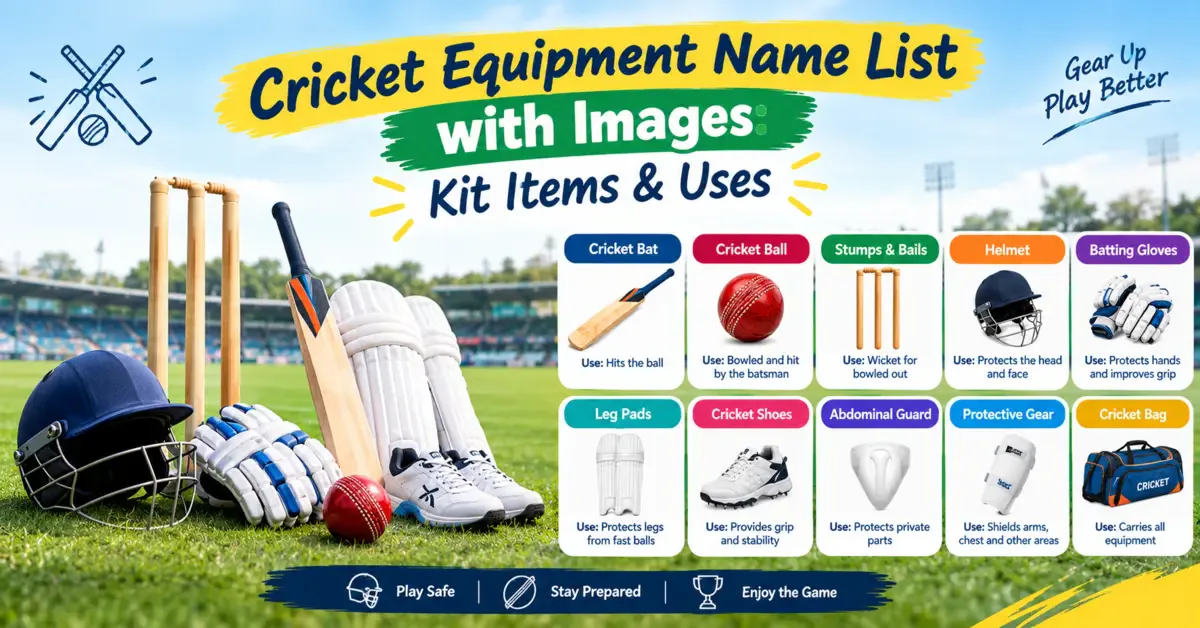
A cricket equipment name list starts with the bat, ball and wickets, then adds the protection, clothing and accessories needed for your role. This illustrated guide explains the main cricket kit items, what each does, and what to check before buying.
Your first question should be: what kind of cricket will I play? A soft-ball introduction, a hard-ball batting session and wicketkeeping need different equipment. Ask your coach or organiser about the ball, playing surface and required protection before you buy a cricket kit.
Cricket Equipment at a Glance
Think of your cricket items in five groups:
| Equipment Group | Main Items | Who Needs it? |
| Playing Equipment | Bat, ball, stumps, bails | Players and Organisers |
| Batting Protection | Helmet, pads, gloves, body guards | Batters, as required for the session |
| Wicketkeeping Equipment | Keeping gloves, inner gloves, keeping pads | Wicketkeepers; confirm head protection too |
| Clothing and Transport | Shoes, playing clothes, kit bag | Players |
| Accessories and Shared Equipment | Bat-care items, nets, boundary markers, scoring tools | Depending on the kit and venue |
A personal kit doesn't need to contain every item on this list. Some equipment belongs to the team or venue, and keeping gear is specific to the keeper.
Playing Equipment: Bat, Ball, Stumps and Bails
1. Cricket Bat
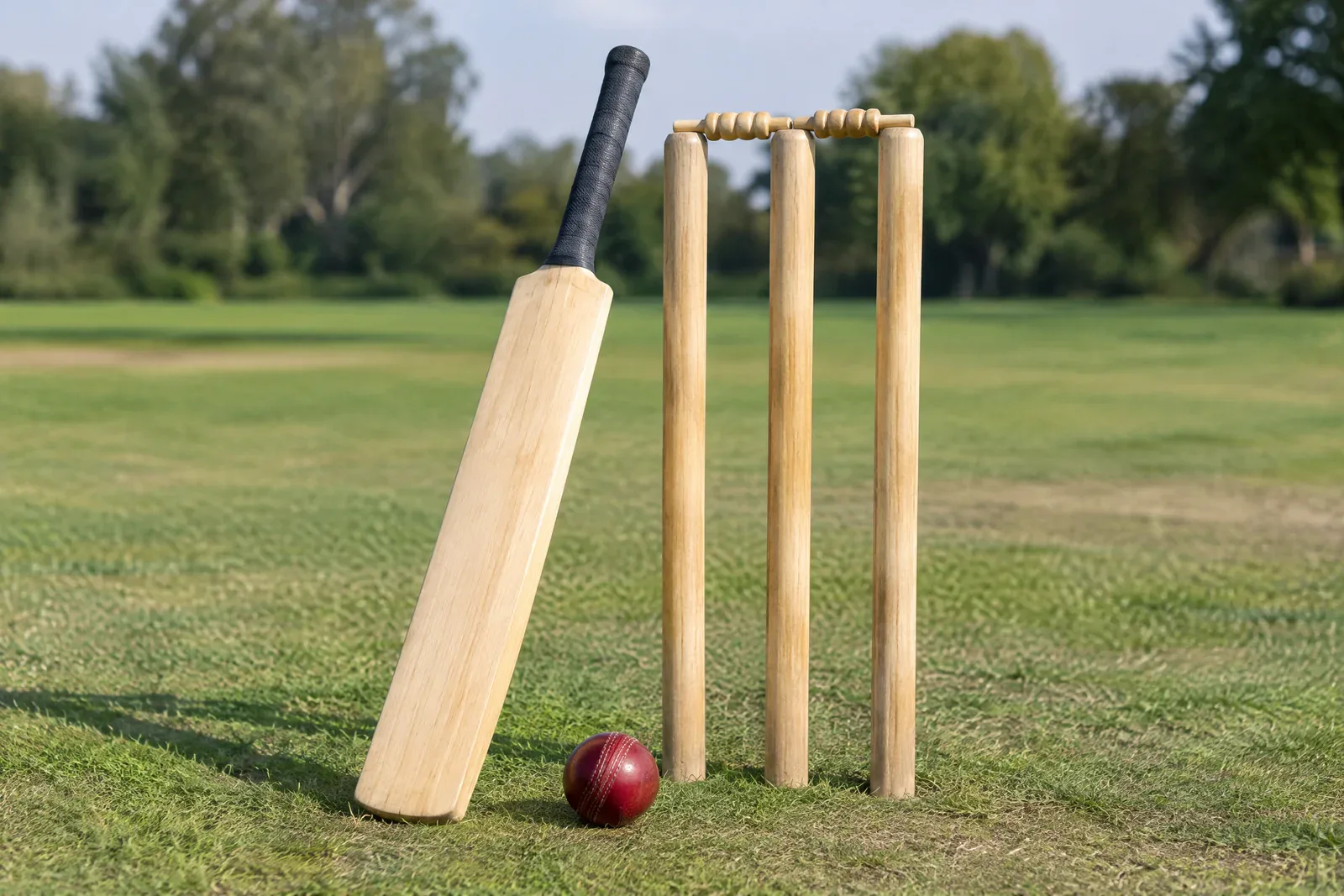
The bat strikes the ball. Its broad blade and handle make it different from a baseball bat. The MCC's bat law specifies a handle and wooden blade, with further requirements for dimensions and permitted materials.
When visiting a cricket bat store, compare size and how the bat feels in your hands. You should be able to take your stance and lift it comfortably. Use the manufacturer's size guide and coach's advice; don't choose a junior bat by age alone or buy an oversized one for a child to grow into.
English willow and Kashmir willow are common shop descriptions, but the exact model's intended use matters. Confirm whether it is suitable for your ball type and how it must be prepared. A tennis-ball bat isn't automatically suitable for hard-ball training.
2. Cricket Ball
Hard cricket balls have a leather exterior and stitched seam. Red, white and pink balls are used in different competitions; recreational sessions may use tennis balls or purpose-made softer training balls.
Ask which ball your session uses. The MCC provides different ball-size specifications and leaves selection to the governing body responsible for the match. Don't assume every junior programme uses an adult ball.
A softer ball doesn't make every activity risk-free. The space, pace and supervision still matter.
3. Stumps
Stumps are the upright posts forming a wicket. A standard wicket has three wooden stumps, with a set at each end of the pitch. Portable plastic or spring-loaded practice wickets can suit some training settings, but aren't automatically equivalent to match equipment.
4. Bails
Bails are the short pieces resting on top of the stumps. A standard wicket has two bails. If you're buying a wicket set, check whether bails and a practice base are included; junior dimensions and competition requirements may differ.
Batting Protection: Names and Fitting Checks
1. Cricket Batting Helmet
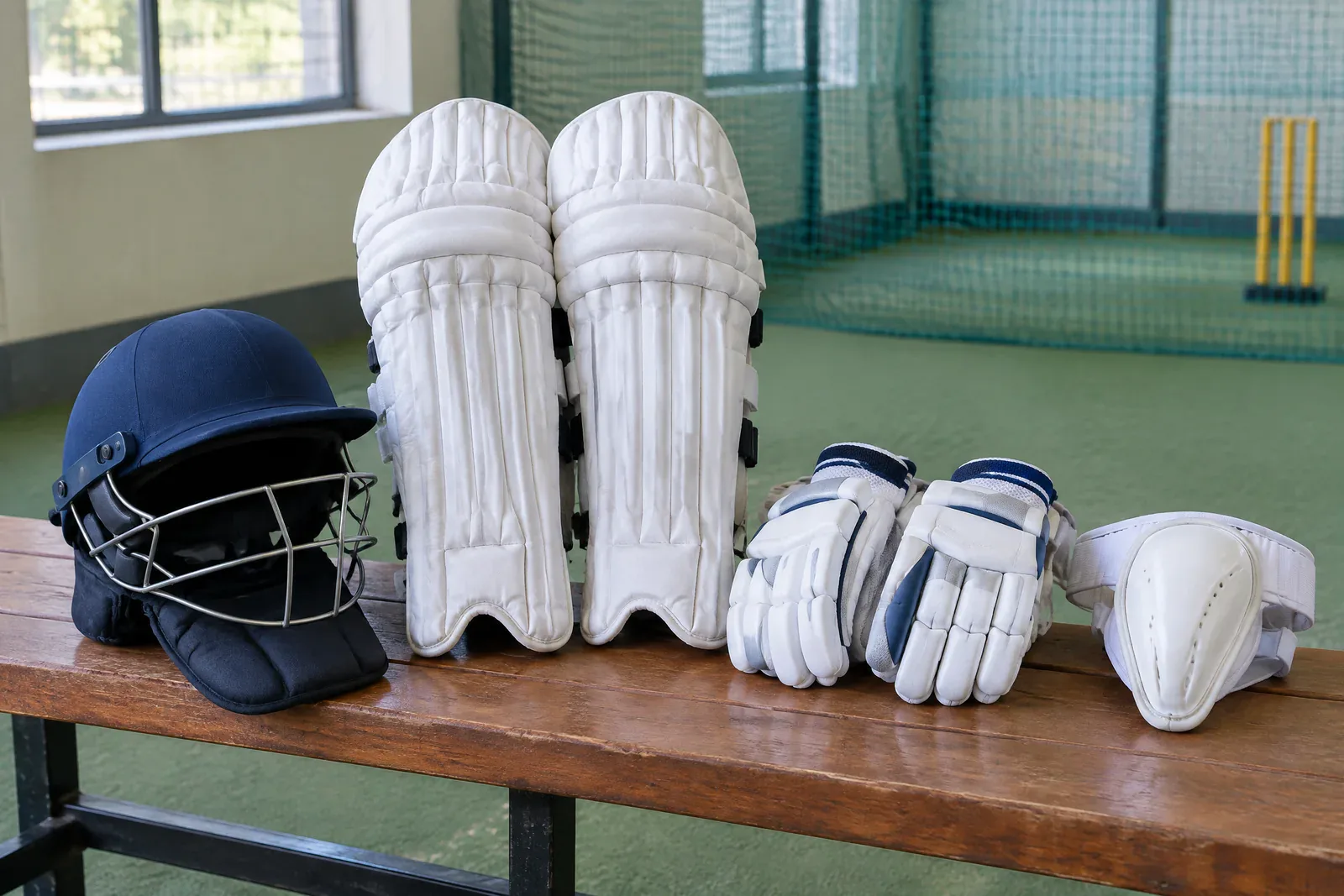
A cricket batting helmet combines a protective shell with a faceguard or grille. Correct fit, manufacturer instructions and the applicable standard matter more than colour or celebrity branding.
The ICC's purchasing guidance identifies the label BS 7928:2013 + A1:2019 and explains that helmets are tested against specified adult-sized balls, junior-sized balls or both. Check the actual product label and documentation. Junior ball testing matters because a smaller ball presents a different faceguard-gap risk.
Use the ICC helmet guidance alongside your organiser's requirements. ICC international guidance shouldn't be presented as proof of one universal rule across every Indian school, academy and club.
2. Helmet Neck Protector
A neck protector adds coverage near the rear of the head and upper neck. The 2019 amendment to the helmet standard includes neck-protector specifications. Choose the manufacturer's compatible system and follow its instructions; an unrelated attachment isn't an equivalent substitute.
Protective equipment can't eliminate serious injury risk. The ICC says a head-protector component that sustains a severe blow needs replacement even if damage isn't visible.
3. Batting Pads or Leg Guards
Batting pads cover the front of the lower legs and knees. Try them on in your batting stance and move around: the knee roll should sit appropriately, straps should hold securely, and the pads shouldn't obstruct your movement. Confirm sizing and handedness where the design differs.
4. Batting Gloves
Batting gloves combine finger protection with a palm that grips the handle. Try them while holding a bat. Excess space at the fingertips and overly restrictive gloves are both reasons to reconsider the fit. Check left- or right-handed designs when shopping.
5. Abdominal or Pelvic Guard
Often called a box or cup, this protects the groin area and is held in suitable supporting underwear or shorts. Anatomical designs differ, including products for women and girls. Choose a properly fitting product for the player and confirm the session's requirements; a unisex label alone doesn't establish suitability.
6. Thigh and Inner-Thigh Guards
These provide coverage above the batting pads. Some are separate items; others form a combined protection system. Wear them with your other gear when checking fit, because straps and overlapping protection can affect movement.
7. Arm or Elbow Guard, and Chest Guard
These add protection to areas not covered by pads and gloves. Whether you need them depends on your role, exposure and organiser's advice. They don't replace core protection or appropriate coaching. An accessory marketed to professionals isn't automatically the right choice for a beginner.
Wicketkeeping Equipment: Different Gloves, Different Job
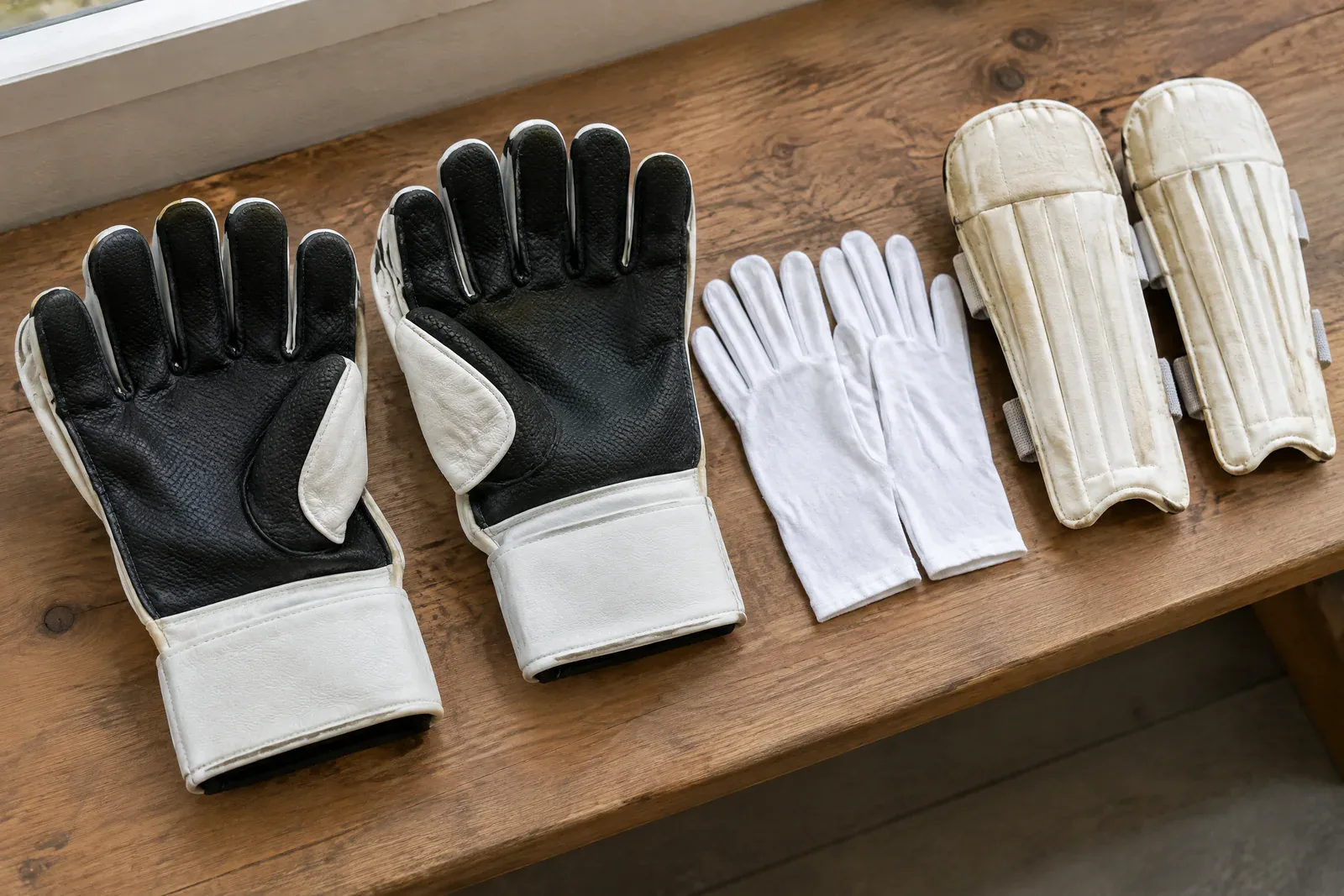
1. Wicketkeeping Gloves
These are catching gloves with a different construction from batting gloves. Under MCC Law 27, permitted webbing is restricted to the space between the index finger and thumb. Keeping gloves aren't an extra accessory for every fielder.
2. Wicketkeeping Inner Gloves
Inner gloves sit beneath the outer gloves. Check the combination together: adding an inner layer changes the fit. Follow the product's washing and drying instructions.
3. Wicketkeeping Pads
Keeping pads are designed around the keeper's crouching and lateral movement. Don't assume batting pads offer the same mobility. MCC Law 27 addresses the keeper's permission to wear gloves and external leg guards.
Discuss helmet and other protection requirements with the coach, especially when keeping close to the stumps. A picture of a kit can't answer that question for your session.
Clothing, Shoes and Cricket Kit Bags
1. Cricket Shoes
Cricket footwear may use rubber studs, spikes or other sole designs. Choose for the actual surface and venue rules. Metal spikes can be unsuitable or prohibited on some artificial surfaces, while grass conditions create different demands. Ask before purchasing; beginners and advanced players both need suitable footwear.
2. Playing Clothes and Socks
Shirts, trousers and socks should allow movement and follow your team's clothing requirements. Cricket whites aren't universal: some competitions use coloured clothing. A cap or sun hat can be useful outdoors, but isn't a substitute for required head protection.
3. Cricket Kit Bag
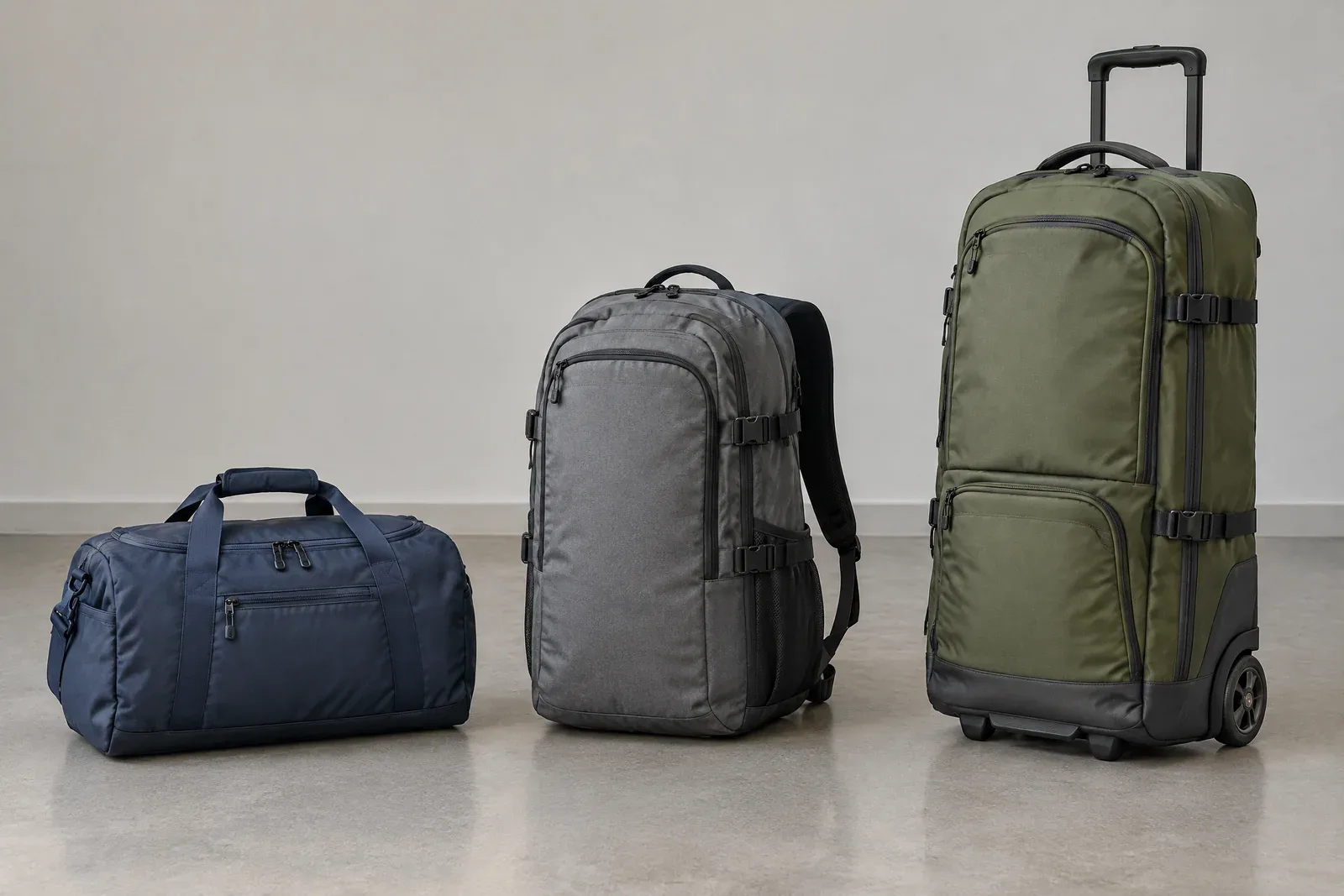
A small cricket kit bag can work for a limited practice load. A larger duffle or backpack-style bag offers more room. A trolley cricket kit bag, also called a cricket trolley bag or wheelie bag, can reduce carrying on smooth routes, but you may still have to lift it on stairs.
Compare internal dimensions, bat sleeves, helmet space, straps, zips and loaded weight. A “full cricket gear” bundle isn't useful if the bag can't hold its contents. Keep damp clothing separate and don't store wet equipment zipped away.
Cricket Bat Accessories and Care Items
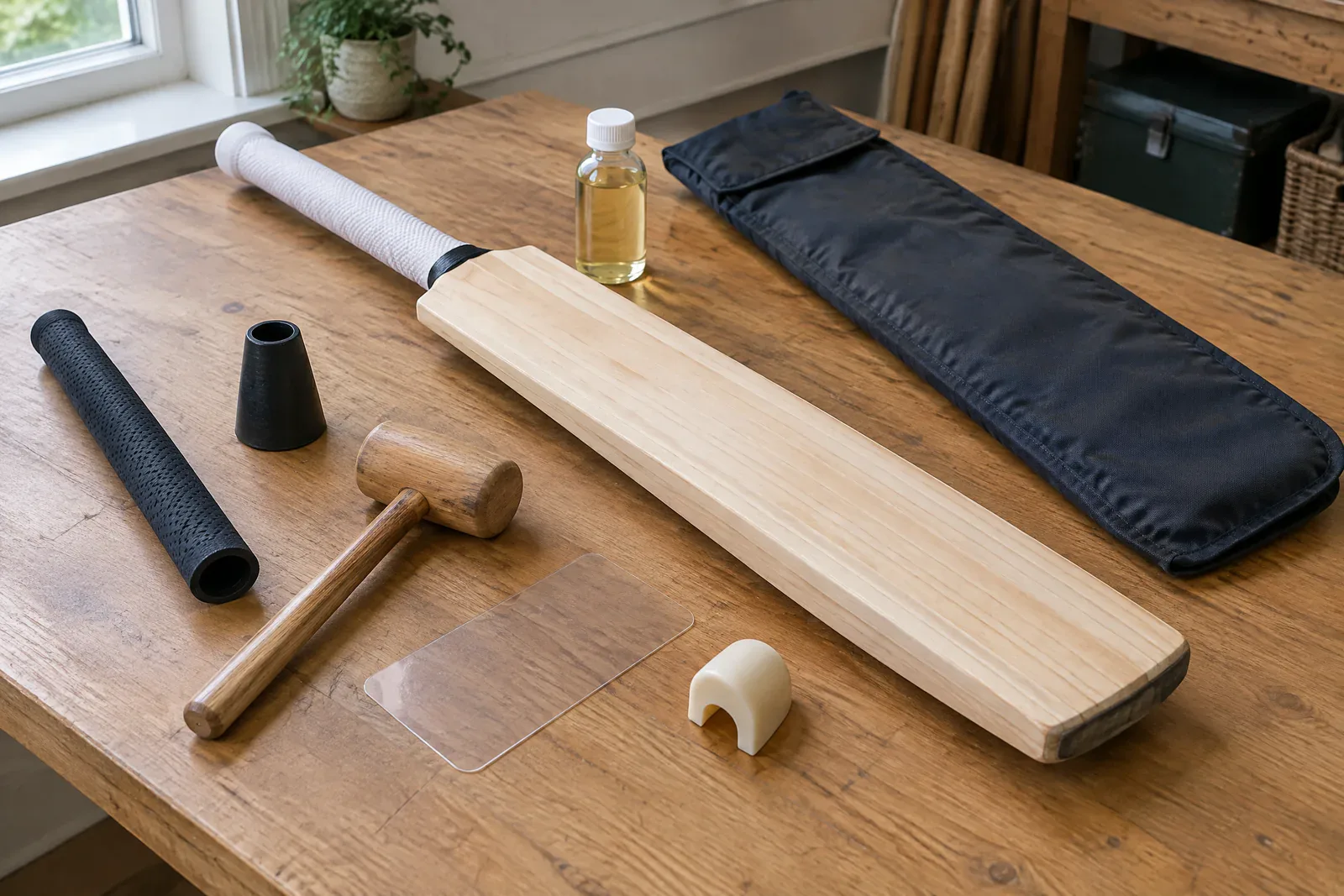
1. Replacement Grip and Grip Cone
A rubber grip covers the bat handle. A grip cone helps fit a replacement. Replace a worn or slipping grip when needed rather than treating it as a performance upgrade by default.
2. Bat Mallet
A mallet is used for controlled knocking-in, part of preparing many willow bats. Don't assume a “pre-prepared” label means every preparation step is complete. Check the exact manufacturer's instructions.
3. Anti-scuff Sheet, Toe Protection and Bat Cover
An anti-scuff sheet helps protect the blade's surface. Toe protection covers the base, while a fitted cover helps during storage and transport. These serve different purposes and don't guarantee freedom from damage.
4. Bat Oil
Where oiling is required, use the specified product and method. Instructions vary with the finish and protective sheet. Read the Gray-Nicolls care guide or your bat manufacturer's guidance before applying oil; more isn't necessarily better.
Shared Ground and Training Equipment
Practice nets, training cones and catching aids belong in a wider cricket sport equipment list. A bowling machine is specialist training equipment, not a necessary personal purchase.
Boundary ropes or markers, sight screens and scorebooks or scoring devices support organised play. Ask what the venue supplies before buying shared equipment. For help understanding the setting, read our guide to sports venues.
Buying Cricket Equipment Online or Near Me
When searching “cricket equipment near me” or “cricket kit shop near me,” check whether the shop actually stocks the items and sizes you need. Call before travelling. A general cricket sports shop may not carry keeper gear, specialist guards or every bat size.
For cricket equipment online, check the exact model, intended ball type, measurements, helmet documentation, invoice, delivery terms and return policy. If you plan to buy cricket equipment online, ask whether preparation work or fitted accessories affect returns.
A “complete kit” can omit a helmet or other important items. Read the contents line by line. Don't judge the "best cricket store near me" only by its discount; fitting help and clear after-sales terms may matter more.
For a spare grip or cover, searching “cricket accessories near me” is more useful when you specify the item. A shop appearing in search doesn't prove current stock or product suitability.
Check your Training Requirements Before Cricket Shopping
Before purchasing, write down your ball type, role, required protection, footwear surface and what the academy supplies. That creates a useful shopping list rather than a bag full of unnecessary cricket products.
For example, the City Sports Academy profile on Listing Sports describes cricket training and net practice. Ask the academy about your particular batch's equipment requirements; the profile doesn't establish that it sells kits.
Use Listing Sports for sports discovery where records exist. Sports listing in India can help you find training leads, but directory coverage varies and doesn't promise a nearby cricket kit shop. The listing policy explains the limits of publication.
Our local sports activities in india guide can help with your next search. Confirm programme details directly before committing.
Frequently Asked Questions
What does a beginner cricket kit include?
For hard-ball batting, plan for a suitable bat and correctly fitted helmet, pads, batting gloves and body protection, with footwear and clothing suited to the session. Confirm the exact list with your organiser. Soft-ball programmes may have different requirements.
Are batting gloves and wicketkeeping gloves interchangeable?
Batting gloves are designed for gripping the bat and hand protection; keeping gloves are designed for catching. Choose equipment for the role.
Is the most expensive cricket kit the best choice?
Not automatically. Intended use, fit, product condition and required protection come first. Buy the right equipment for your session, and follow its preparation and care instructions.